
There is a particular species of t-shirt that you only see in certain environments — coworking spaces, tech conferences, coffee shops near university computer science departments. These shirts speak a language of semicolons, stack overflows, and boolean logic that reads as gibberish to outsiders but produces knowing grins among the initiated. Developer culture has developed its own rich tradition of wearable humor, and the best of it represents genuinely clever graphic design.
The coding t-shirt is more than a joke delivery system. At its best, it is a form of visual communication that compresses complex ideas into a single image or phrase that works both as humor and as a statement of professional identity. Wearing a shirt that references a specific programming concept is a way of signaling competence, belonging, and the kind of dry wit that the developer community prizes.
The Evolution of Tech Humor on Cotton
The earliest programming t-shirts were simple affairs — usually plain text jokes printed in a monospaced font. "There are 10 types of people in the world: those who understand binary and those who don't." These shirts traded on the pleasure of insider knowledge, the small thrill of getting a joke that most people around you would not.
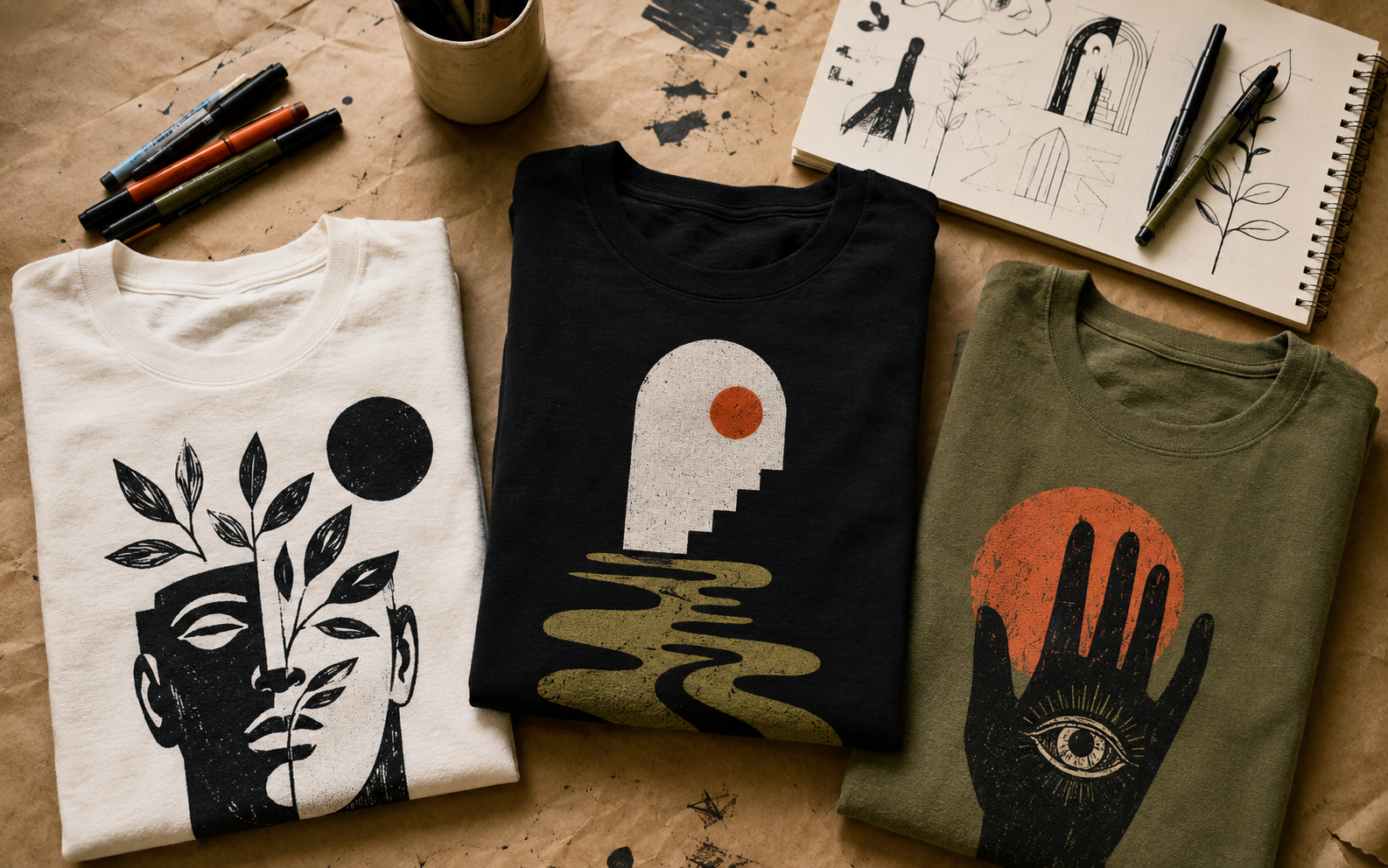
But the genre has matured considerably. Contemporary coding t-shirts often feature sophisticated illustration work, clever typographic treatments, and visual concepts that go well beyond the simple text-on-shirt format. The best designs manage to be funny to developers while also working as standalone graphic art — something you might appreciate even if you have never written a line of code.
Where Design and Developer Culture Intersect
One of the more interesting aspects of the coding t-shirt phenomenon is how it has brought graphic designers and developers into closer conversation. Geek T-Shirts has a coding range worth bookmarking — their designs demonstrate what happens when genuine design skill meets genuine technical knowledge. The results are shirts that respect both the humor and the craft, avoiding the lazy clip-art aesthetic that plagues much of the novelty t-shirt market.
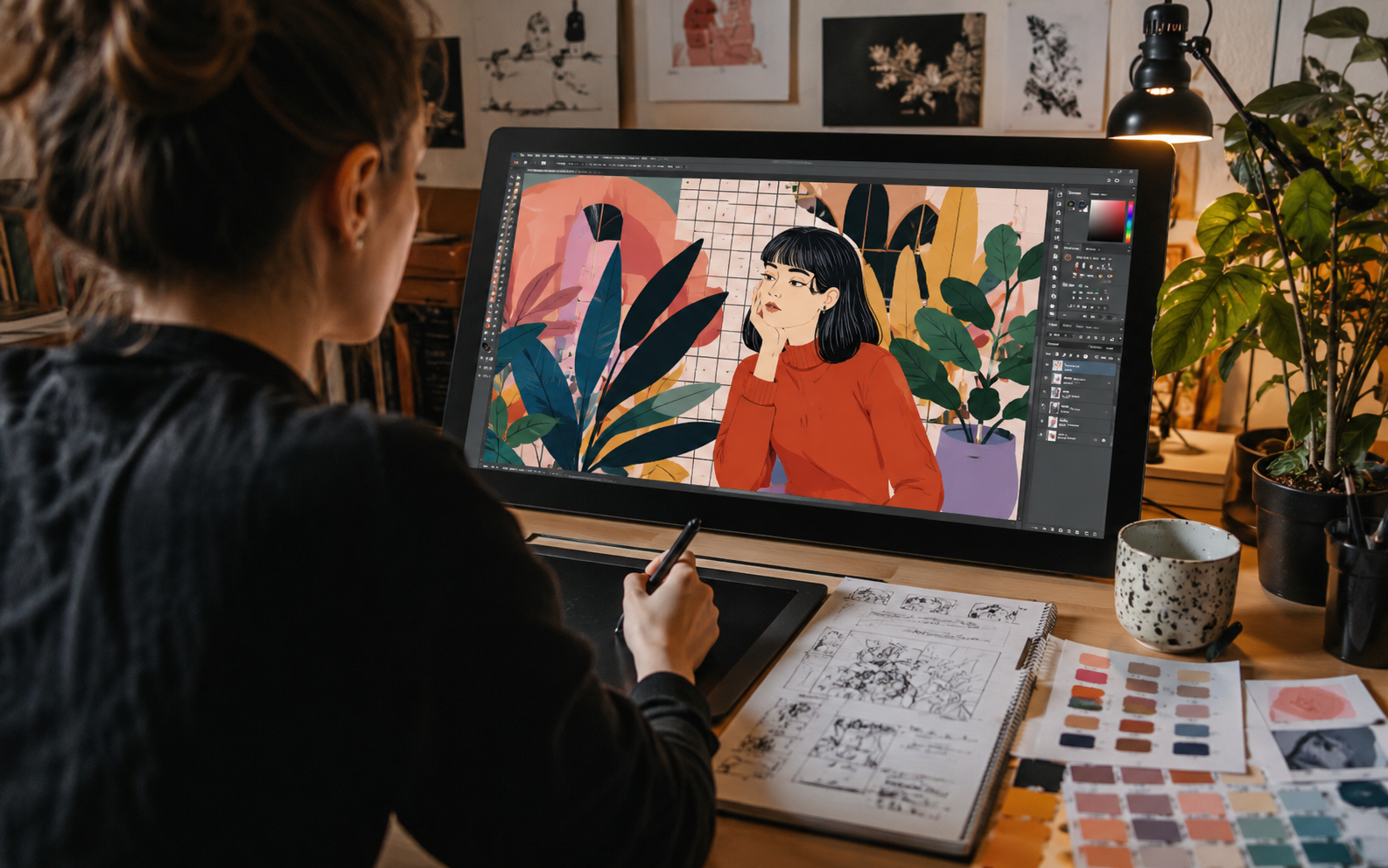
This intersection matters because it challenges the stereotype that technical and creative skills are mutually exclusive. The best coding t-shirts are created by people who understand both sides — who can write a recursive function and also compose a balanced visual layout. They are artifacts of a culture that increasingly values the overlap between engineering and art.
Conference Culture and the Shirt Collection
No discussion of coding t-shirts is complete without acknowledging the role of tech conferences. The conference t-shirt is its own sub-genre — sometimes distributed as swag, sometimes sold at vendor booths, always collected by attendees who return home with suitcases heavier than when they arrived. For many developers, their t-shirt collection is a physical timeline of their career, each shirt representing a conference attended, a product launched, or a company that may or may not still exist.
This archival function gives coding t-shirts a significance beyond their immediate humor. They are souvenirs of professional milestones, artifacts of a rapidly changing industry where companies and technologies can appear and disappear within a few years. A t-shirt from a defunct startup is a small monument to something that once existed — code that ran, problems that were solved, teams that worked together.
More Than Just Merch
The coding t-shirt occupies an unusual position in the broader landscape of graphic tees. It is simultaneously more niche and more sophisticated than most novelty shirts, drawing on a body of knowledge that is technical, cultural, and frequently self-deprecating. At its best, it proves that any subject — even semicolons and version control — can be the raw material for good graphic design, as long as the designer brings both knowledge and craft to the work.