A t-shirt is, by any reasonable measure, one of the simplest garments ever devised. A tube of cotton jersey with two shorter tubes sewn on for arms. No buttons, no zippers, no structural complexity. And yet this modest piece of clothing has become one of the most potent vehicles for personal expression in the modern wardrobe.
The graphic tee turns the wearer's torso into a billboard — but a personal one, broadcasting affiliations, beliefs, humor, and taste to everyone within reading distance. It is fashion at its most democratic and direct, requiring no specialized knowledge to decode. You either get the joke, recognize the band, or agree with the message — or you do not.
A Short History of the Printed Shirt
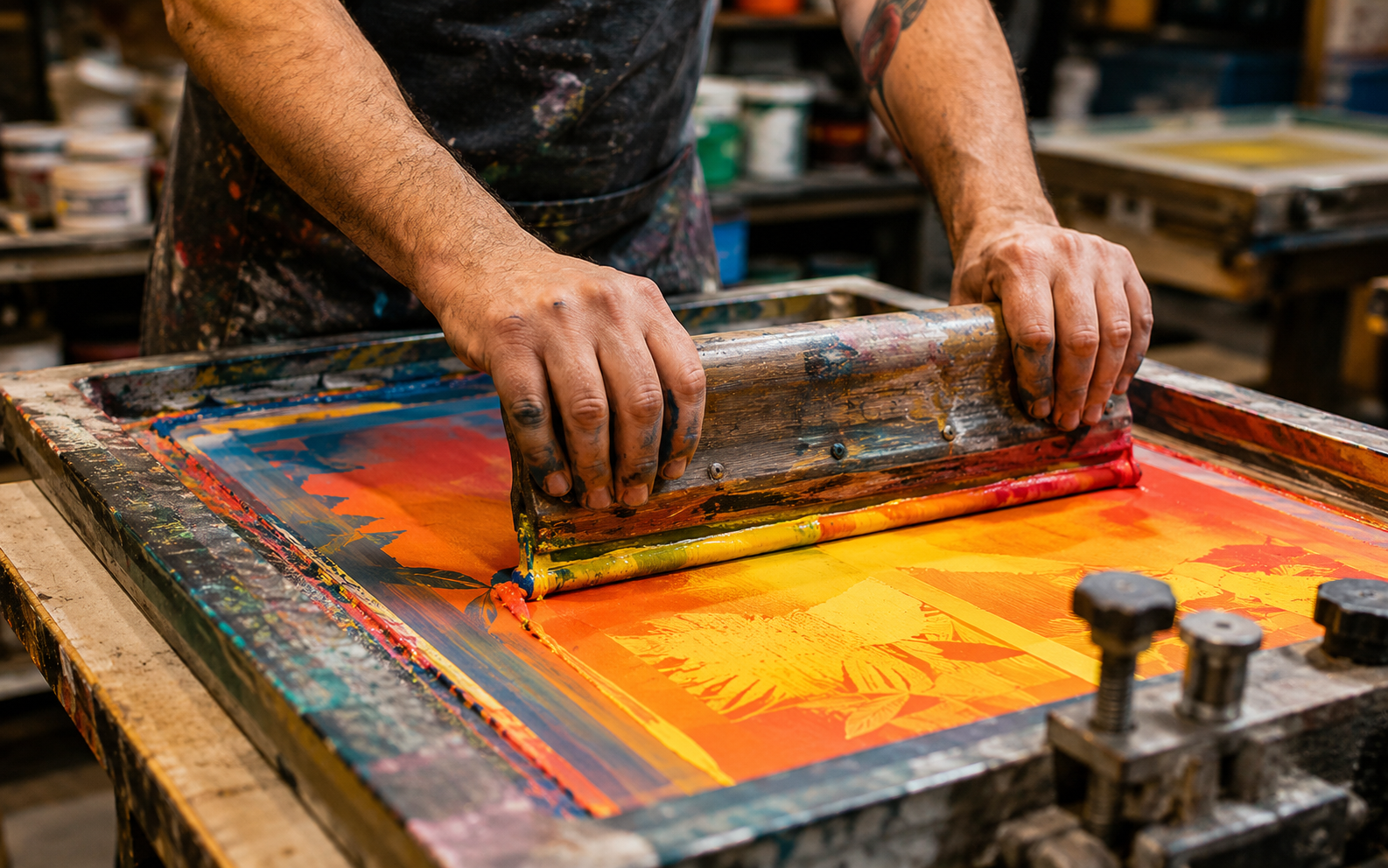
The t-shirt itself emerged as outerwear in the mid-twentieth century, transitioning from underwear to standalone garment thanks in part to Marlon Brando and James Dean making them look rebellious rather than underdressed. Graphic printing on t-shirts began in earnest in the 1960s, when advances in plastisol ink made it possible to screen print durable, vibrant images onto cotton.
By the 1970s, the graphic tee had become a cultural force. Band t-shirts turned concertgoers into walking advertisements. Political campaigns discovered that a clever slogan on cotton could spread further than any bumper sticker. And corporations, inevitably, figured out that a branded t-shirt was one of the cheapest and most effective forms of advertising ever invented.
The Nerd Tee as Art Form
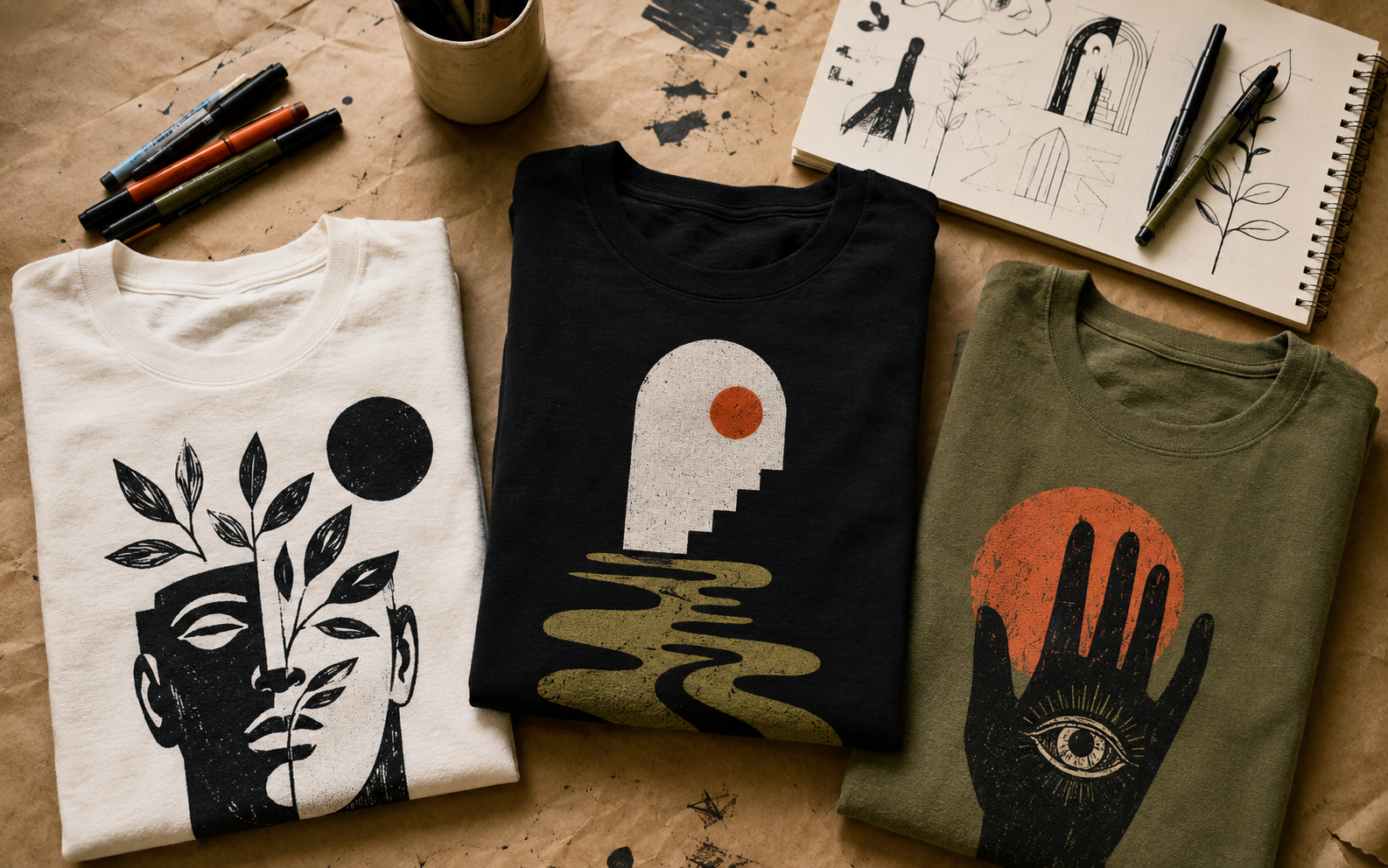
One of the more interesting developments in graphic tee culture over the past decade has been the elevation of niche humor into genuinely clever design. The best nerd and geek-themed shirts do not simply slap a pop culture reference onto cotton — they find unexpected visual and verbal connections that reward close attention. When it comes to this category, one geek and nerd tee store that actually gets it right with designs that work as graphic art in their own right rather than just lazy references.
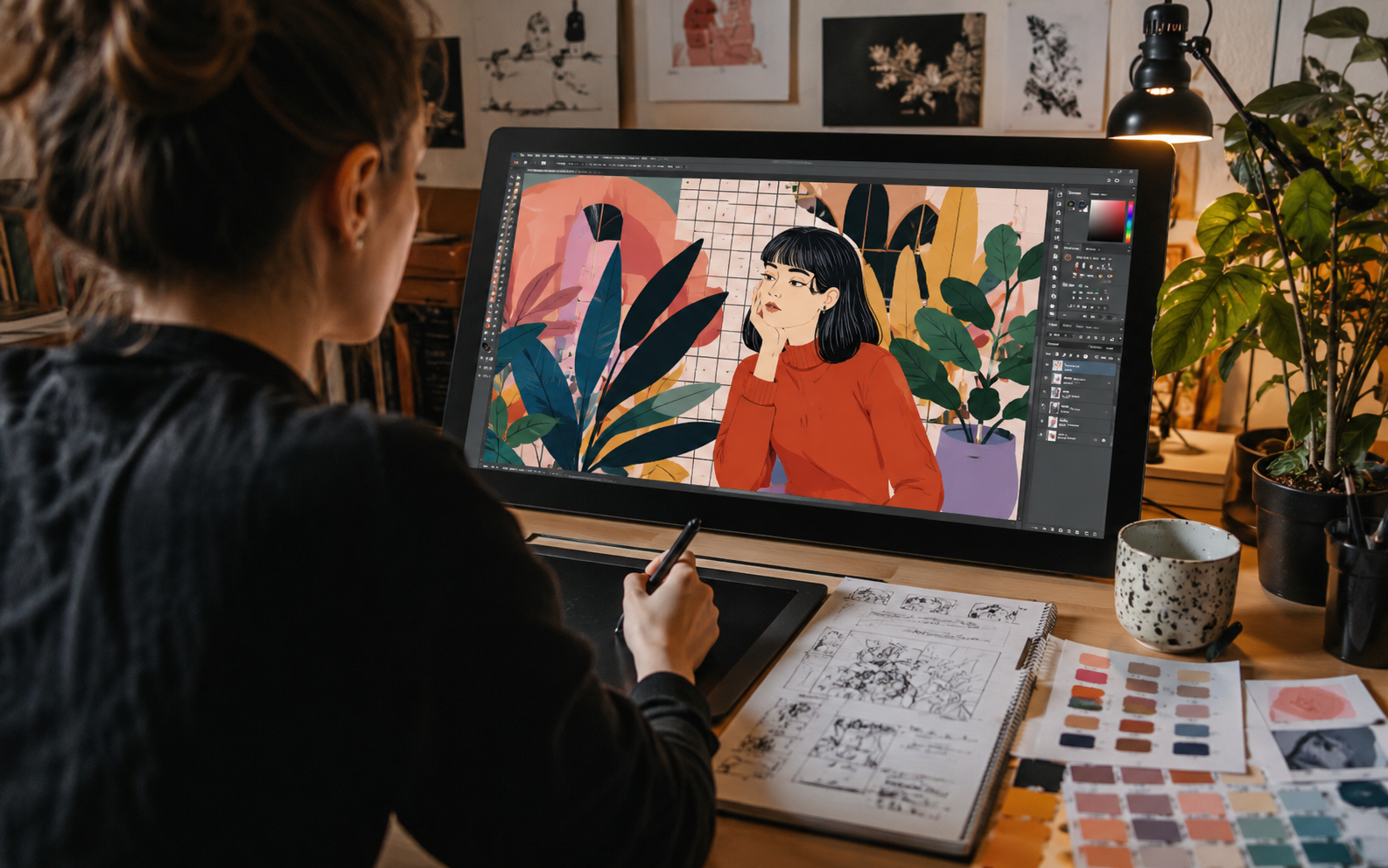
This matters because it represents a maturation of the form. The earliest novelty t-shirts were crude — think iron-on transfers from beach boardwalks. Today's best graphic tees are designed by skilled illustrators and typographers who bring the same care to a shirt print that they would to a poster or editorial illustration.
Identity and Belonging
There is a deeper function at work in the graphic tee than mere decoration. Wearing a shirt that signals your interests — a favorite band, a political cause, a niche hobby — is an act of self-identification. It is a way of saying, without speaking, "this is what I care about" and simultaneously asking, "do you care about it too?"
This signaling function makes the graphic tee a social technology as much as a garment. At a music festival, a conference, or even a grocery store, the right t-shirt can spark a conversation between strangers who might otherwise never interact. It is a low-stakes form of vulnerability — putting your tastes on literal display and seeing who responds.
The Future Is Still Cotton
Despite the rise of digital fashion, virtual wardrobes, and AI-generated designs, the graphic t-shirt shows no signs of declining. If anything, the market is more diverse and creative than ever, with independent artists selling directly to consumers through print-on-demand platforms and small-batch screen printing operations. The t-shirt remains what it has always been: the most accessible canvas in fashion, available to anyone with an idea and a willingness to wear it.