Every few years, someone publishes an article declaring that print is dead. And every few years, the zine community responds the only way it knows how — by making more zines. These small, self-published, often photocopied booklets have outlived every technology that was supposed to kill them, from the internet to social media to the smartphone. Their persistence is not an accident. It is a feature of a medium that exists precisely because it refuses to play by the rules of mainstream publishing.
A zine can be anything. A collection of poetry. A political manifesto. A recipe book. A hand-drawn comic. A love letter to a niche hobby. The only requirement is that it be made by the person who had the idea, without the permission or involvement of any publisher, editor, or gatekeeper. This radical autonomy is the core of zine culture, and it is what makes the form so durable.
Roots in Resistance
The modern zine traces its lineage to the science fiction fanzines of the 1930s, where fans used mimeograph machines to produce and distribute small magazines about their favorite genre. But the form really came into its own during the punk movement of the late 1970s, when zines became essential tools for building community outside the mainstream. Publications like Sniffin' Glue in London and Maximum Rocknroll in San Francisco were not just writing about a subculture — they were the subculture, providing the connective tissue that held scattered communities together.
The riot grrrl movement of the 1990s pushed zine culture further, using self-publishing as a explicitly feminist act. Zines like Bikini Kill and Girl Germs created space for voices that mainstream media ignored or misrepresented. The act of making a zine — writing, illustrating, photocopying, stapling, distributing — became as important as the content itself.
The Internet Was Supposed to Kill Them
When blogs emerged in the early 2000s, the obvious assumption was that zines would become obsolete. Why photocopy and mail physical objects when you could publish to the entire world for free from your laptop? And indeed, many zine makers did migrate to digital platforms. But something unexpected happened: the physical zine not only survived but experienced a renaissance.
Part of the explanation is tactile. A zine is a physical object with weight, texture, and smell. It can be held, shelved, traded, and passed from hand to hand in ways that a blog post cannot. But there is also something about the intentional limitations of the form — the small print runs, the hand-assembled construction, the deliberately imperfect production values — that gives zines an intimacy that digital media struggles to achieve.
Zine Fairs and Community
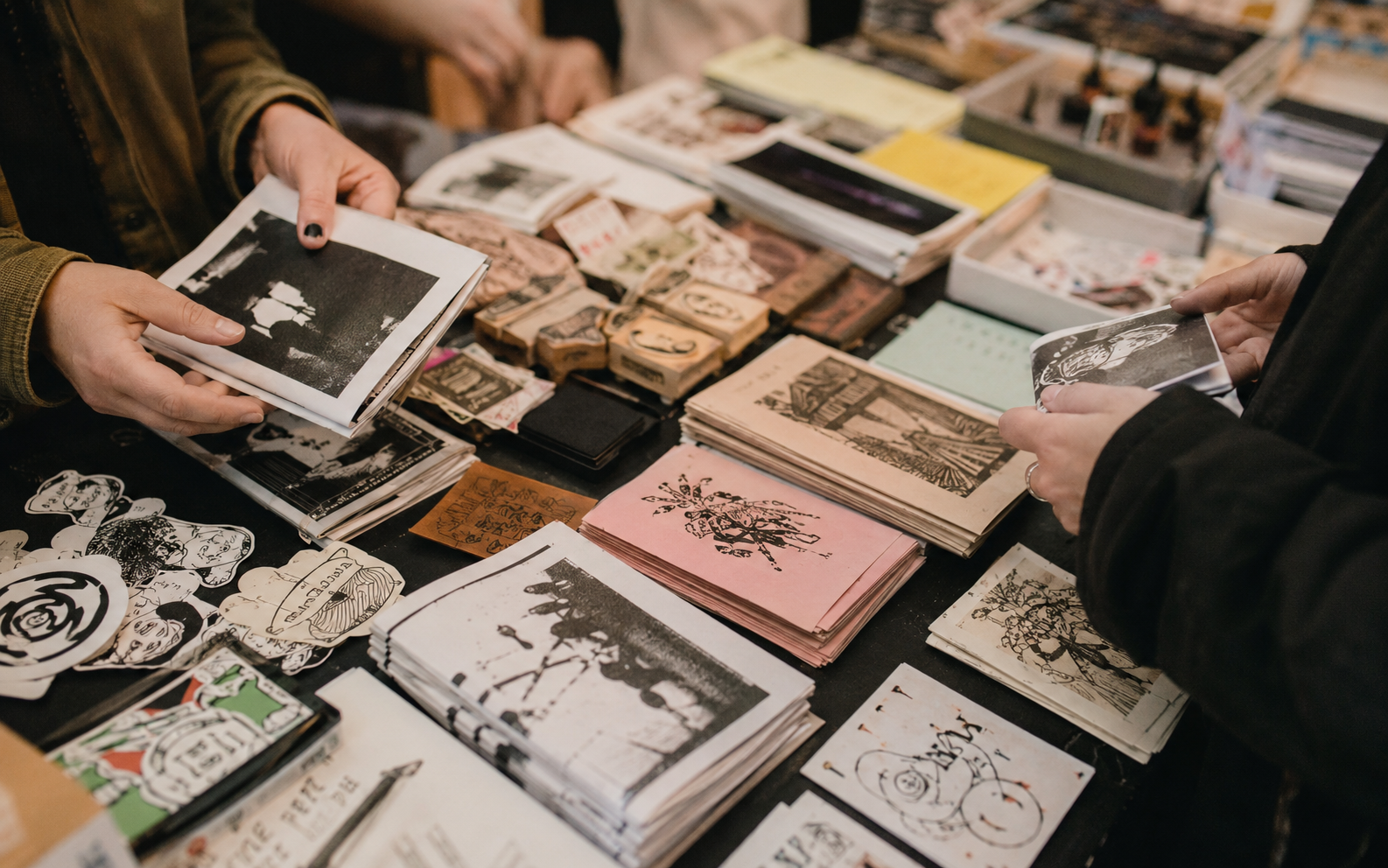
The health of any cultural movement can be measured by the vitality of its gathering places, and by that measure, zine culture is thriving. Zine fairs and festivals have proliferated worldwide, from the long-running New York Art Book Fair to smaller events in cities and towns that barely register on the cultural radar. These events are part marketplace, part social gathering, part creative inspiration — and they consistently draw crowds that suggest a deep and growing appetite for independently published work.
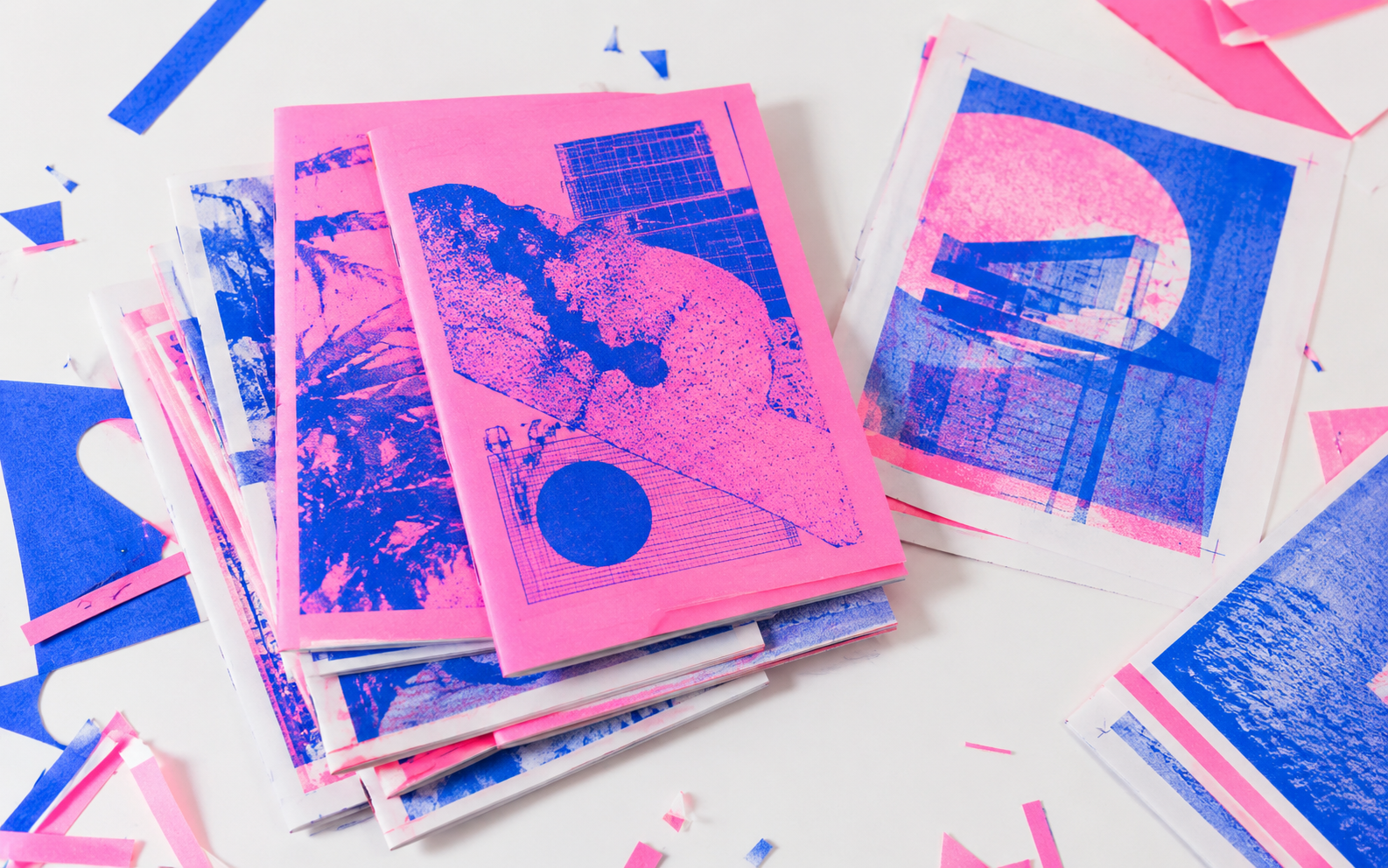
What you find at a zine fair is diversity that no algorithm could produce. A table selling hand-bound poetry chapbooks might sit next to one offering risograph-printed comics, which neighbors a display of photography zines made from expired Polaroid film. The curatorial principle is radical inclusivity — if you made it yourself, it belongs.
Making One Is the Point
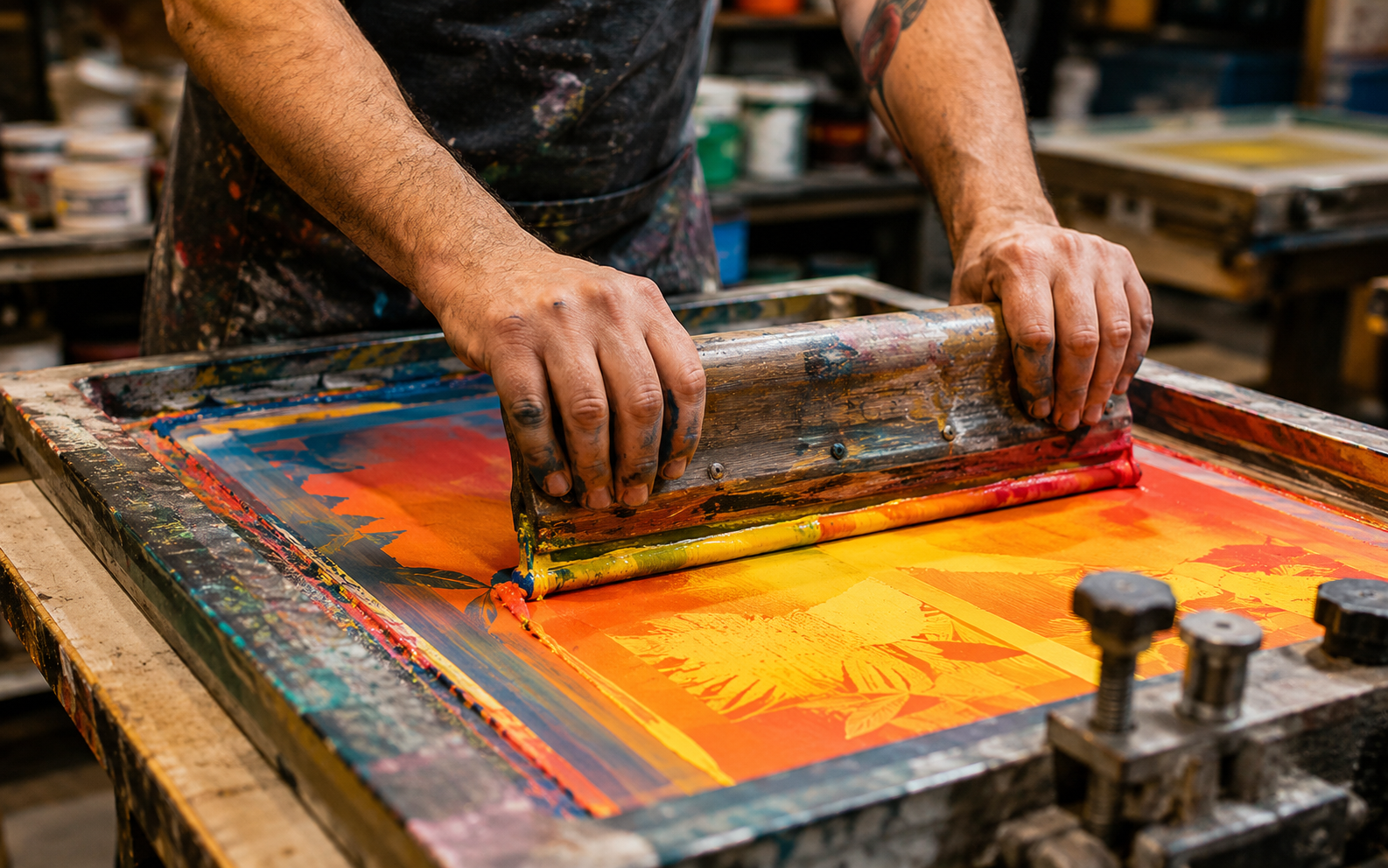
Perhaps the most important thing about zines is not reading them but making them. The act of creating a zine — from conception to folding to distribution — is a complete creative cycle that requires no approval, no investment, and no technology more complex than a photocopier. In an age when creative work is increasingly mediated by platforms, algorithms, and gatekeepers, the zine remains a stubbornly direct way to put your ideas into the world. And that directness is precisely why it refuses to die.